₨ 27,000
Dosage and Administration
- Dosage: The recommended dose is 50 mg, taken twice a day, every 12 hours.
- Timing: RILUTEK should be taken on an empty stomach, at least one hour before or two hours after a meal, as food—especially high-fat meals—can decrease its absorption and effectiveness.
- Administration: The tablets should be swallowed whole with a glass of water. The drug is also available in liquid form and an oral film for patients who have difficulty swallowing tablets.
Important Safety Information and Side Effects
- Prescription-only: RILUTEK is a prescription-only medication and should only be started by a specialist physician experienced in the management of motor neuron diseases.
- Liver Function: The medication can affect liver function, and in rare cases, cause liver injury. Patients taking RILUTEK will require regular blood tests to monitor liver enzyme levels, especially during the first three months of treatment.
- Serious Side Effects: Patients should contact their doctor immediately if they experience signs of liver problems (e.g., jaundice, nausea, abdominal pain), a febrile illness (fever, chills), or respiratory symptoms like a dry cough or shortness of breath. These could be signs of serious side effects like liver injury, neutropenia (low white blood cell count), or interstitial lung disease.
- Common Side Effects: Common side effects can include asthenia (weakness), nausea, dizziness, and abdominal pain.
- Drug Interactions: Be sure to inform a healthcare provider about all other medications, vitamins, and herbal products being taken, as RILUTEK can interact with other drugs and may become less effective when taken with certain substances, such as those that increase liver enzymes (e.g., cigarette smoking).
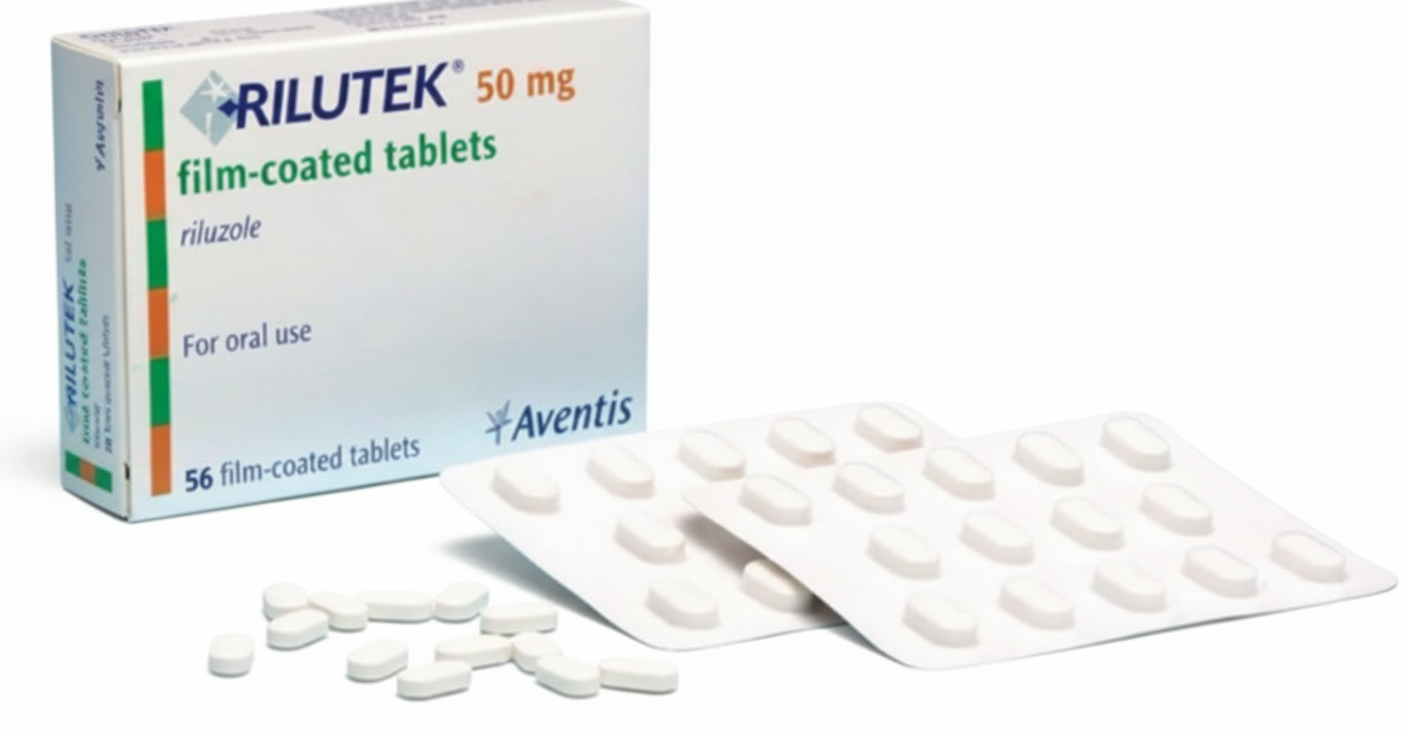
Disclaimer: This information is for educational purposes only and is not a substitute for professional medical advice. Always consult with a qualified healthcare provider for any questions regarding a medical condition or treatment.RILUTEK (Riluzole) is a medication used to treat amyotrophic lateral sclerosis (ALS), also known as Lou Gehrig's disease. It is not a cure for ALS, but it can help to extend a patient's life or delay the need for a tracheostomy (mechanical ventilation). The medication works by inhibiting the release of glutamate, a chemical messenger in the brain and spinal cord, which is thought to contribute to the deterioration of nerve cells in motor neuron disease.
₨ 10,000
Connect on Whatsapp