₨ 35,000
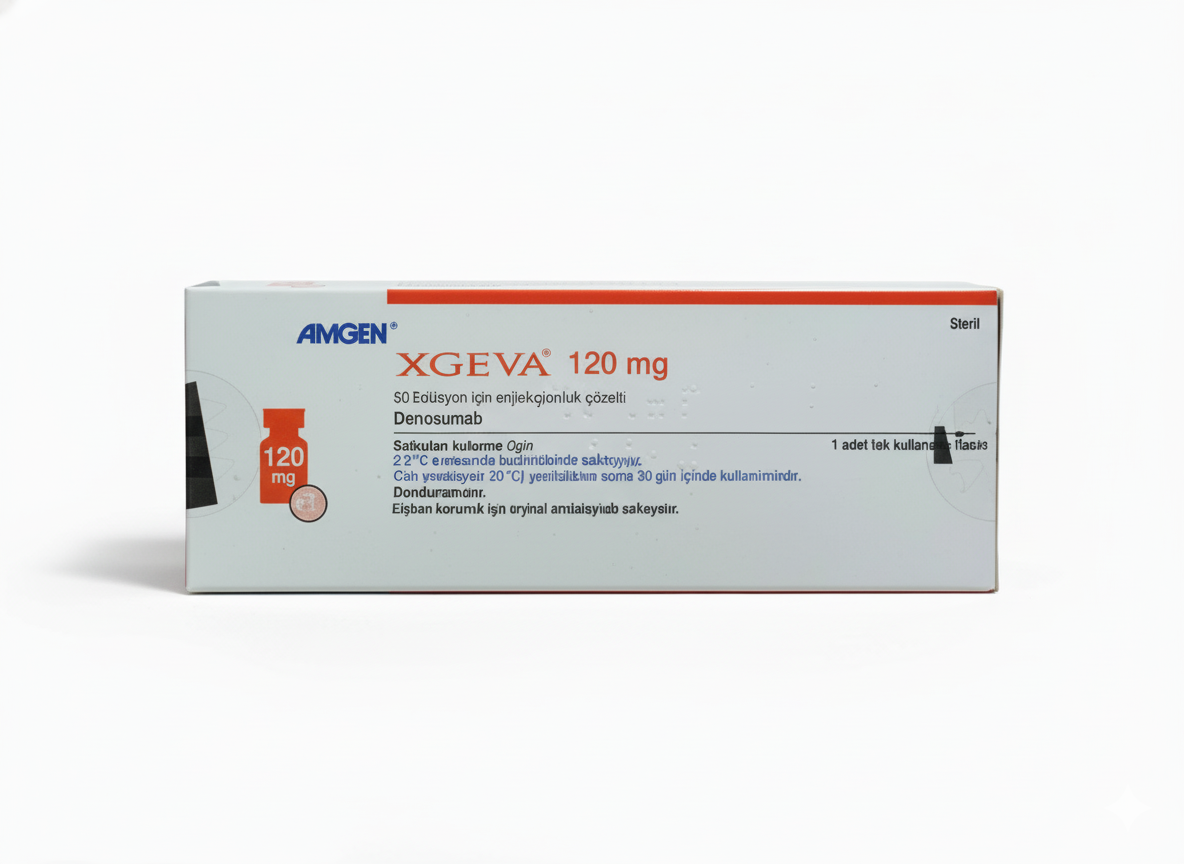
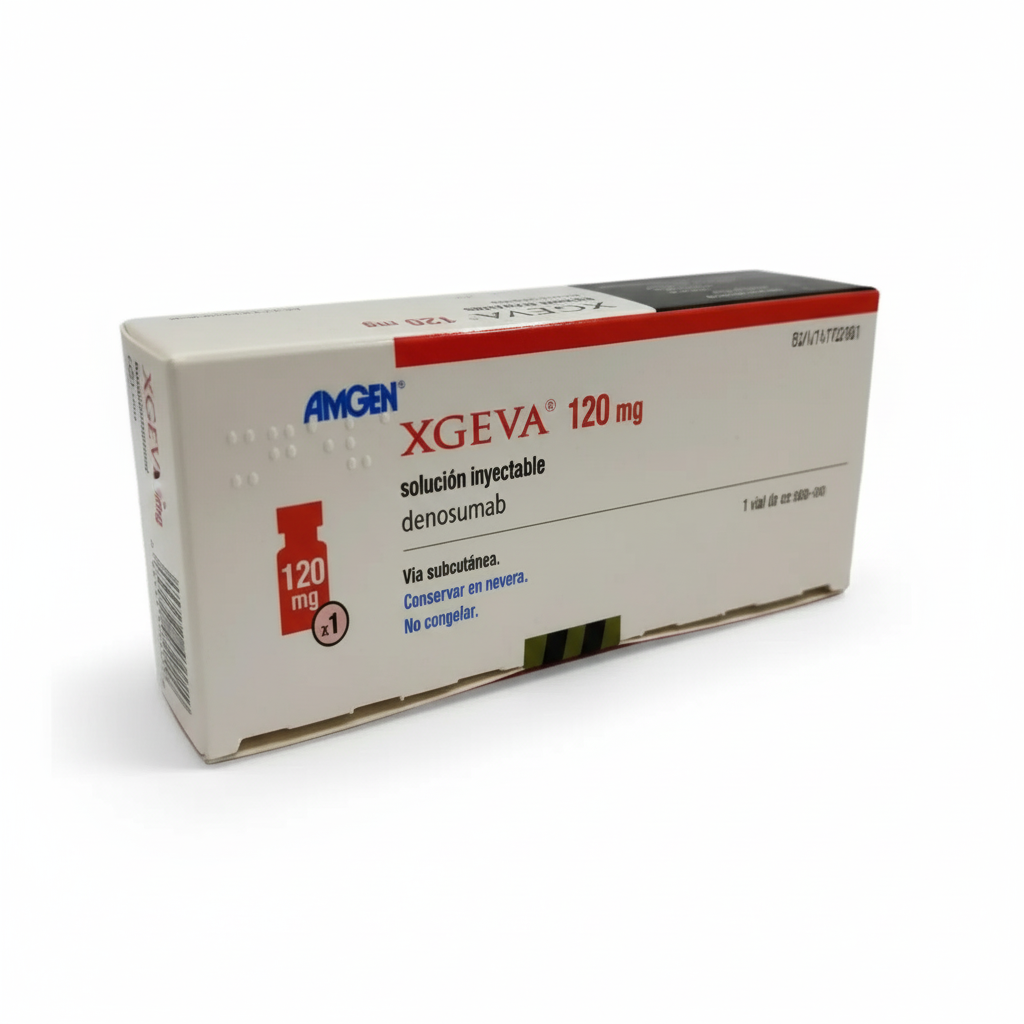
Xgeva (denosumab) is a prescription medicine used to prevent serious bone complications in adults with cancer that has spread to the bone (bone metastases), in patients with multiple myeloma, or to treat giant cell tumors of the bone that cannot be removed by surgery. The medicine is administered as a subcutaneous injection, typically into the thigh, abdomen, or upper arm.
Key Information
Active Ingredient: Denosumab. It is a monoclonal antibody that works by inhibiting a protein called RANKL, which is responsible for breaking down bone tissue. By blocking this protein, Xgeva reduces bone loss and the risk of fractures.Common Uses:
- To prevent skeletal-related events (such as fractures or the need for radiation/surgery to the bone) in adults with solid tumors or multiple myeloma that has spread to the bone.
- To treat giant cell tumors of the bone in adults and skeletally mature adolescents where surgery is not an option or would cause severe complications.
- To treat high levels of calcium in the blood (hypercalcemia of malignancy) in cancer patients when other medications have not worked.
Dosage and Administration:
- The recommended dose is 120 mg administered once every 4 weeks via subcutaneous injection.
- For patients being treated for giant cell tumors of the bone or hypercalcaemia of malignancy, additional doses may be given on days 8 and 15 of the first month.
- Patients should also take calcium and vitamin D supplements while on treatment, unless they have high blood calcium levels.
Important Safety Information:
- Do not use Xgeva if you have very low, untreated blood calcium levels (hypocalcemia) or unhealed wounds from dental or mouth surgery.
- The most common side effects include hypocalcemia, muscle and bone pain, shortness of breath, and diarrhea.
- A serious, but less common side effect is osteonecrosis of the jaw (ONJ), which is bone damage in the jaw that can be difficult to treat. It is important to have good oral hygiene and inform your doctor and dentist that you are taking Xgeva.
- Rare side effects include atypical fractures in the thigh bone, and severe allergic reactions.
- This medication should not be used during pregnancy as it can cause harm to the fetus.
- Store the medicine in a refrigerator between 2°C and 8°C (36°F and 46°F) and do not freeze it. Once removed from the refrigerator, it must be used within 30 days.
Disclaimer: This information is for educational purposes only and is not a substitute for professional medical advice. Always consult a healthcare professional for diagnosis, treatment, and medical advice.
₨ 10,000
Connect on Whatsapp